Lawn care is an essential part of maintaining an attractive and healthy outdoor space, whether for residential properties, commercial areas, or recreational landscapes. A well-maintained lawn enhances curb appeal, supports environmental health, and creates a comfortable space for outdoor activities. However, achieving and maintaining a lush green lawn requires consistent effort, proper techniques, and an understanding of seasonal lawn care practices.
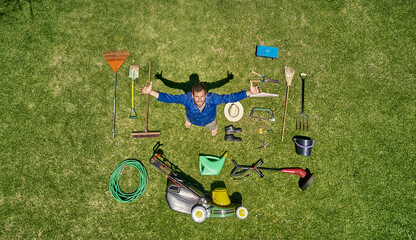
Many property owners underestimate how much science is involved in lawn care. Soil conditions, grass types, watering schedules, mowing techniques, and fertilization all work together to determine the overall health of a lawn. Without proper care, grass can become patchy, discolored, or vulnerable to weeds, pests, and diseases. Professional or well-informed lawn care practices help ensure that grass remains thick, green, and resilient throughout the year.
Why Lawn Care Is Important for Property Health and Appearance
A healthy lawn is more than just an aesthetic feature. It plays a functional role in improving air quality, reducing soil erosion, and regulating ground temperature. Grass acts as a natural filter, trapping dust and pollutants while also producing oxygen, which contributes to a healthier environment.
From a visual perspective, a well-maintained lawn significantly improves property appeal. Whether it is a home, business, or public space, the condition of the lawn is often one of the first things people notice. A clean, green lawn creates a sense of order, care, and professionalism.
Lawn care also contributes to usable outdoor space. A thick, healthy lawn provides a comfortable surface for recreation, relaxation, and outdoor gatherings. Without proper maintenance, however, lawns can quickly become uneven, overgrown, or infested with weeds, making them less functional and less attractive.
Essential Lawn Care Services and Maintenance Tasks
Lawn care involves a combination of regular maintenance tasks designed to support healthy grass growth and prevent common issues such as weed invasion or soil compaction. Each task plays a specific role in maintaining the overall condition of the lawn.
Common lawn care services and maintenance tasks include:
- Regular mowing and trimming
- Fertilization and soil nutrient management
- Watering and irrigation control
- Weed control and prevention
- Aeration and soil loosening
- Pest and disease management
- Seasonal cleanup and leaf removal
Each of these tasks contributes to a balanced lawn care routine that supports strong root development and consistent grass growth.
The Importance of Proper Lawn Mowing Techniques
Mowing is one of the most basic yet important aspects of lawn care. However, improper mowing techniques can damage grass and weaken its ability to grow properly. Cutting grass too short, for example, can expose the soil to sunlight, leading to dryness, weed growth, and uneven patches.
Proper mowing techniques help encourage healthy grass density and root development. It is important to maintain the correct cutting height based on grass type and seasonal conditions. Regular mowing also helps prevent weeds from spreading by removing their ability to grow tall and produce seeds.
Effective mowing practices include:
- Keeping mower blades sharp for clean cuts
- Avoiding cutting more than one-third of grass height at once
- Changing mowing patterns regularly to prevent soil compaction
- Leaving grass clippings to naturally fertilize the soil when appropriate
- Adjusting mowing frequency based on growth rate
When done correctly, mowing strengthens the lawn and promotes even growth across the entire surface.
Watering and Irrigation for Healthy Grass Growth
Watering is another critical factor in lawn care, as grass relies on consistent moisture to remain healthy and vibrant. However, both overwatering and underwatering can negatively affect lawn health. Proper irrigation ensures that water reaches the root system without creating excess saturation or dryness.
Deep and infrequent watering is generally more effective than frequent shallow watering. This encourages grass roots to grow deeper into the soil, making the lawn more drought-resistant and resilient.
Key watering practices include:
- Watering early in the morning to reduce evaporation
- Providing deep watering sessions instead of light daily watering
- Adjusting watering schedules based on weather conditions
- Avoiding water runoff and puddling
- Ensuring even coverage across all lawn areas
Efficient irrigation systems can help automate watering schedules and maintain consistent moisture levels throughout the lawn.
Fertilization and Soil Health Management
Healthy soil is the foundation of a strong lawn. Without proper nutrients, grass cannot grow thick or maintain its green color. Fertilization helps replenish essential nutrients in the soil, supporting healthy root systems and vibrant grass growth.
Different lawns may require different types of fertilizers depending on soil conditions and grass varieties. Balanced fertilization provides nitrogen, phosphorus, and potassium, which are essential for growth, root strength, and disease resistance.
Important fertilization practices include:
- Applying fertilizer during active growth seasons
- Using slow-release fertilizers for consistent feeding
- Testing soil conditions before applying nutrients
- Avoiding over-fertilization to prevent grass damage
- Watering after fertilization to activate nutrients
Soil health management may also include adding organic matter or compost to improve soil structure and nutrient retention.
Weed and Pest Control Strategies
Weeds and pests are among the most common challenges in lawn care. Weeds compete with grass for nutrients, water, and sunlight, while pests can damage roots, blades, and soil structure. Without proper control, these issues can quickly spread and weaken the entire lawn.
Effective weed control involves both prevention and treatment. Maintaining healthy grass growth naturally reduces weed invasion by limiting available space and resources.
Common weed and pest control methods include:
- Applying pre-emergent weed prevention treatments
- Removing weeds manually when necessary
- Maintaining dense grass coverage to block weed growth
- Monitoring for early signs of pest activity
- Using targeted pest control solutions when needed
A proactive approach is more effective than reactive treatment, as it helps prevent widespread lawn damage.
Seasonal Lawn Care Practices
Lawn care requirements change throughout the year depending on weather conditions and grass growth cycles. Seasonal maintenance ensures that lawns remain healthy and prepared for changing environmental conditions.
During warmer seasons, lawns typically require more frequent mowing, watering, and fertilization due to increased growth rates. In cooler seasons, maintenance focuses more on cleanup, protection, and preparation for future growth cycles.
Seasonal lawn care tasks may include:
- Spring fertilization and growth stimulation
- Summer watering and heat protection strategies
- Autumn leaf removal and soil preparation
- Winter lawn protection and reduced maintenance routines
Adjusting lawn care practices according to seasonal changes helps maintain long-term lawn health and resilience.
Lawn Aeration and Soil Improvement
Over time, soil can become compacted due to foot traffic, weather conditions, and natural settling. Compacted soil restricts air, water, and nutrient flow to grass roots, which can negatively impact lawn health. Aeration is the process of loosening soil to improve these conditions.
Aeration helps improve root development and allows grass to absorb nutrients more efficiently. It is especially beneficial for lawns that experience heavy use or show signs of poor drainage.
Benefits of lawn aeration include:
- Improved oxygen and nutrient flow to roots
- Enhanced water absorption and drainage
- Reduced soil compaction and surface buildup
- Stronger and deeper root systems
- Healthier and more resilient grass growth
Regular aeration helps maintain long-term soil health and improves overall lawn performance.
Lawn care is a continuous process that requires attention, consistency, and proper technique. From mowing and watering to fertilization and pest control, each aspect of maintenance contributes to the overall health and appearance of the lawn.
A well-maintained lawn not only improves property aesthetics but also enhances environmental quality and outdoor usability. By following structured lawn care practices and adapting to seasonal changes, property owners can achieve a vibrant, green, and long-lasting lawn.
With the right care routine, any lawn can become a healthy and attractive outdoor space that adds value, comfort, and beauty to any property.